
What do I consider ‘real’?
To me, reality is direct experience — the senses, our perceptions, what we live through. Whether it’s a personal moment or a deeper connection to the universe, what we feel and witness first-hand holds truth.
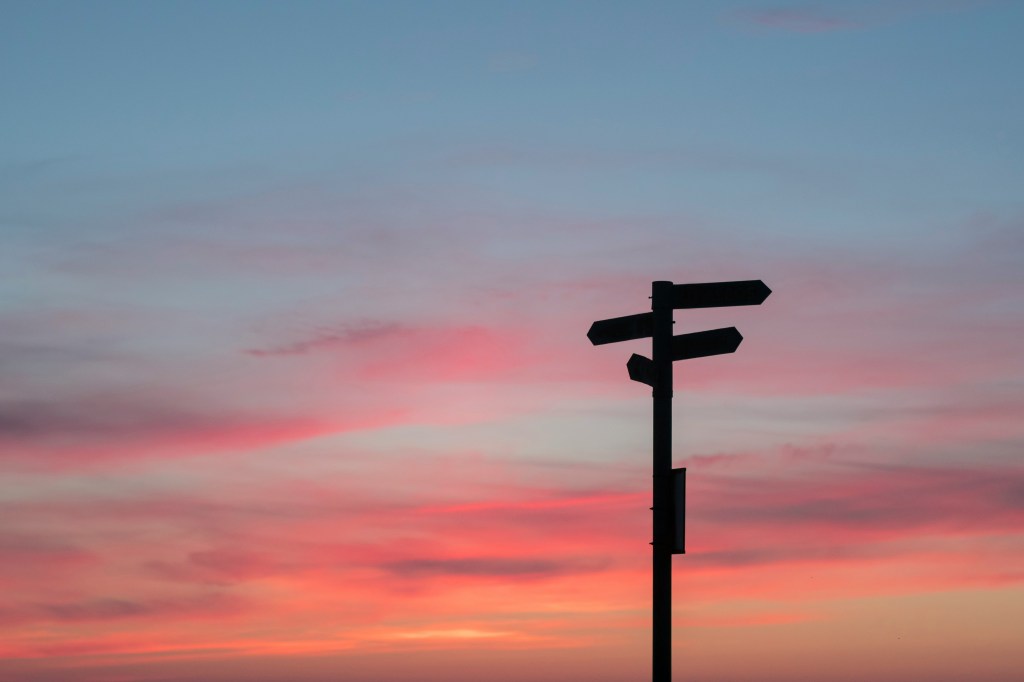
When people begin a certain journey, they often believe certain things no longer belong, that some aspects of life are distractions or obstacles. But I see the path as already present. We simply choose when to begin walking it.
What do I consider not to be real?
I view social constructs, thought patterns, worries and overthinking as less real. These are mental fabrications shaped by language and belief. We experience our minds constantly processing, and many of us “hear” our thoughts as inner dialogue. But the power those thoughts hold is something we allow.
Take betrayal, for example. A friend lets us down. Do we react with anger, bitterness, or revenge? Or do we allow the experience to signal a natural ending and let it pass? Emotions like sadness or emptiness may arise, but resisting their grip is what separates awareness from entanglement. The difference lies in whether we inhabit presence or become caught in mental narrative.
Is change the opposite of real, or part of it?
Everything we encounter is in flux. Change defines the physical world. Even the smallest particles shift over time. So, is there something unchanging behind it all? What initiates transformation?
These questions are worth exploring. I don’t have definitive answers, nor do I expect to. But asking is meaningful in itself.
I sense that change is anchored by something like flow, similar to a river. You only notice transformation against a backdrop of stillness. Movement implies something unmoving. While invisible to the eye, this constant can be felt — in breath, in stillness, in body awareness. These moments give us access to what feels timeless.
“You cannot change the world without changing yourself.”
– Jiddu Krishnamurti
How does nature relate to change?
By nature, I mean the stars, the moon, the trees. Watch a tree through the seasons. It doesn’t resist. It stands quietly, resilient and steady. It doesn’t strive to become something else to avoid change.
The elements — water, air, earth — shift effortlessly. They’re not chasing outcomes or resisting the present. They simply are.
Humans, on the other hand, often struggle with transition. We cling. When we love someone, we fear their departure and try to hold on. But that kind of attachment invites tension and suffering.
Perhaps if we mirrored the flow of rivers and the acceptance of trees, we might allow each other the space to evolve. In doing so, we could reduce unnecessary conflict.
What role does memory play in defining what’s real?
Memory is both a blessing and a burden. To remember is to revisit. When we enjoy something, we long to repeat it. When we’re hurt, we avoid anything similar. In this way, memory shapes our reality.
But is that reality authentic? Or is it a reflection of the past projected forward? That, I believe, is up to each of us to examine.
Try for yourself.
Don’t take these words as truth. Sit with these questions and let your own insights emerge. It’s tempting to rely on sages and teachers because they’ve done the inner work, but avoiding the search within is a missed opportunity. These quiet questions are yours to ask, and the answers are yours to discover.

 Here There and Everywhere
Leave a comment